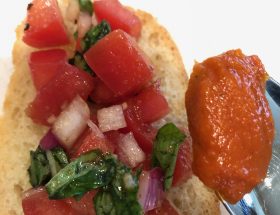
prepare to be disappointed
First- I will say that me and Sabrina double checked each step before we did it and followed the recipe exactly. So sadly the final product was not what we expected and no one could tell us why.
On to the process:
The first step: warm the milk to 90 degrees fahrenheit
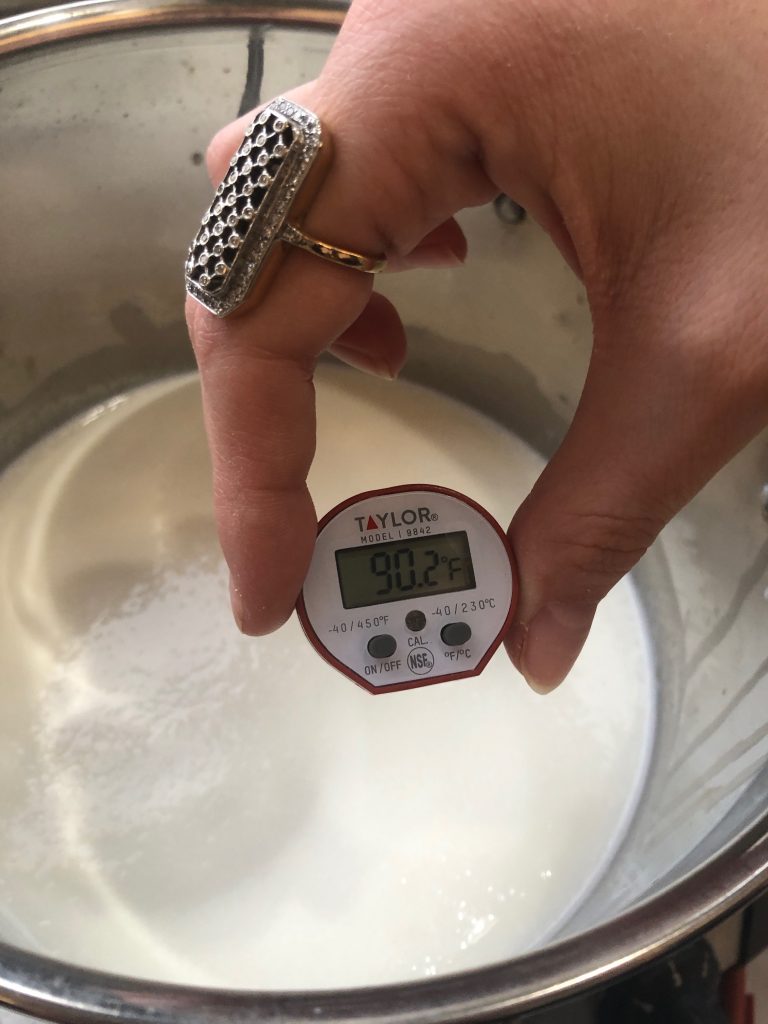
This was when we had to add the citric acid (before the rennet) and before we heated it to 90 degrees fahrenheit as the instructions say.
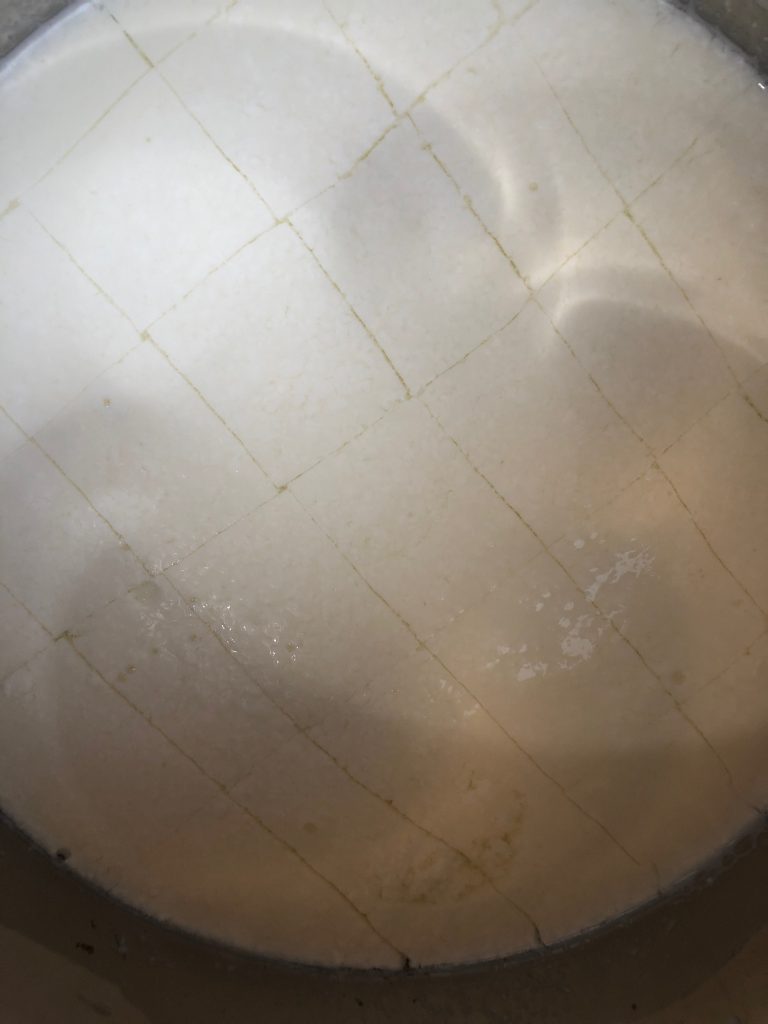
Why did you add “acid” to the milk? provide a chemical explanation.
Adding citric acid to the milk increases the amount of H+ and causes the denaturation of the milk, which separates the curds from the whey which is followed but the coagulation of the curds.
After we cut the milk into a grid of curds, we slowly and carefully stirred it, trying to keep the curds in tact.
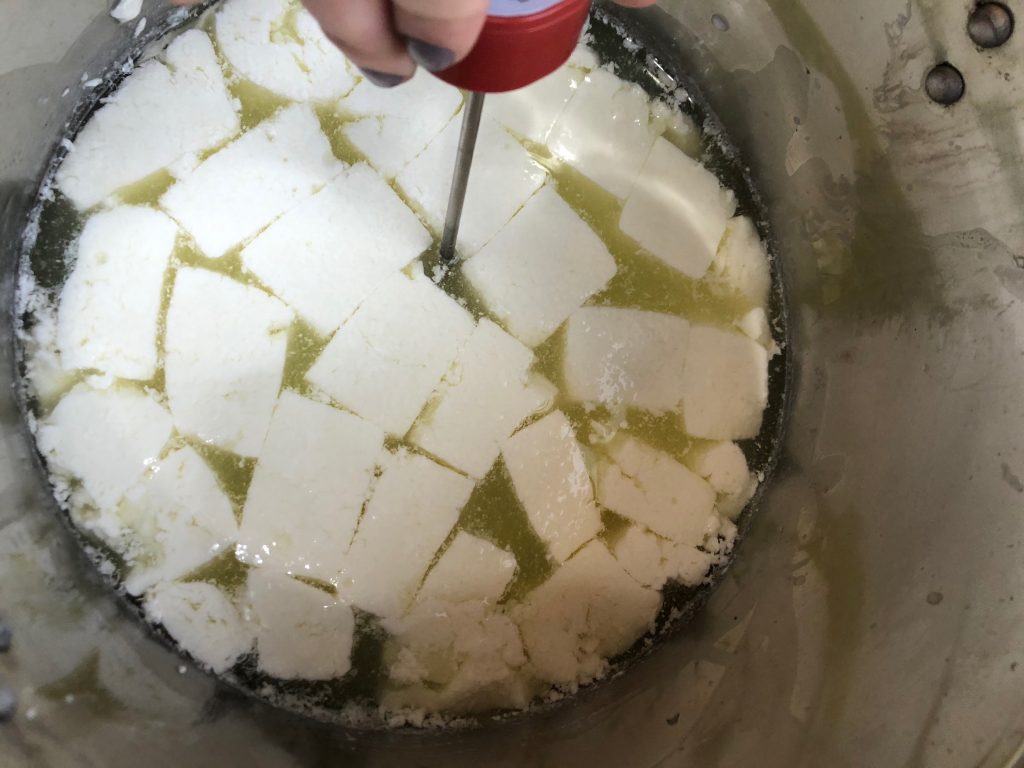
What are curds and whey? provide a chemical explanation
Denatured and then coagulated milk creates two parts, the curds and the whey. The whey is protein that is the water, yellow part, easily seen in the icture above. The curds are milk fat and the protein casein, globbed together into white clumps.
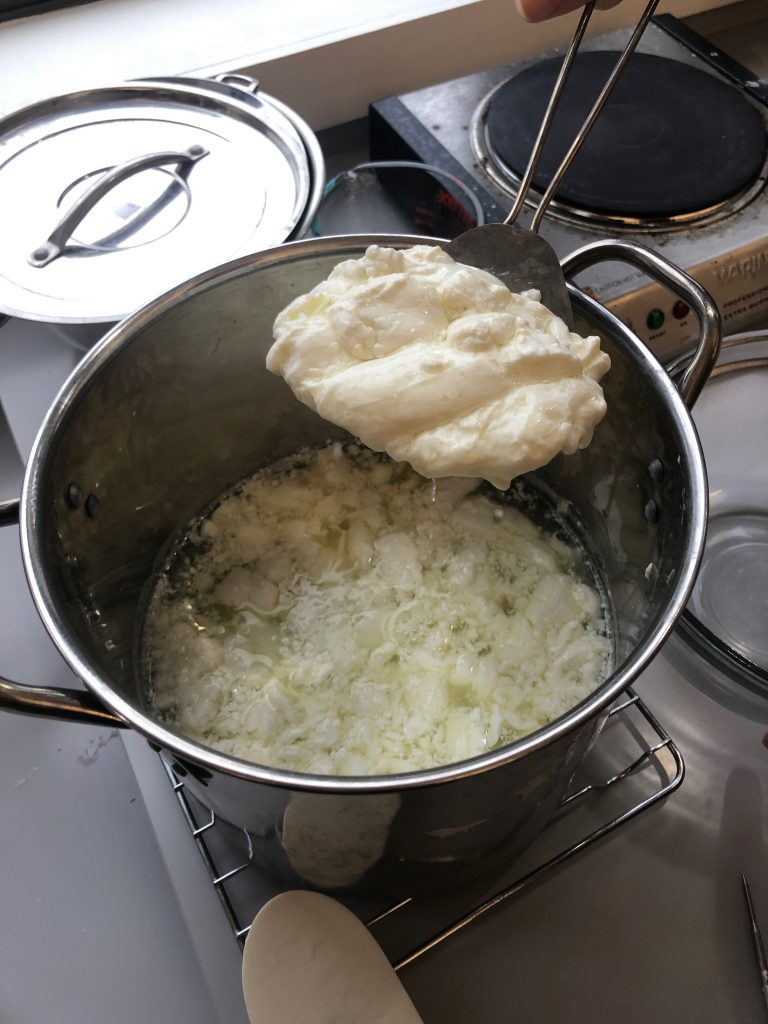
Here we are using a slotted label to drain the curds from the whey and move them into a separate bowl.
What is rennet? And what was the purpose of adding it?
Rennet is an enzyme that is mostly chymosin and assists in the denaturation process of milk. This process means that the curds and the whey proteins in the milk separate from each other into fat (curds) and water based substances (whey).
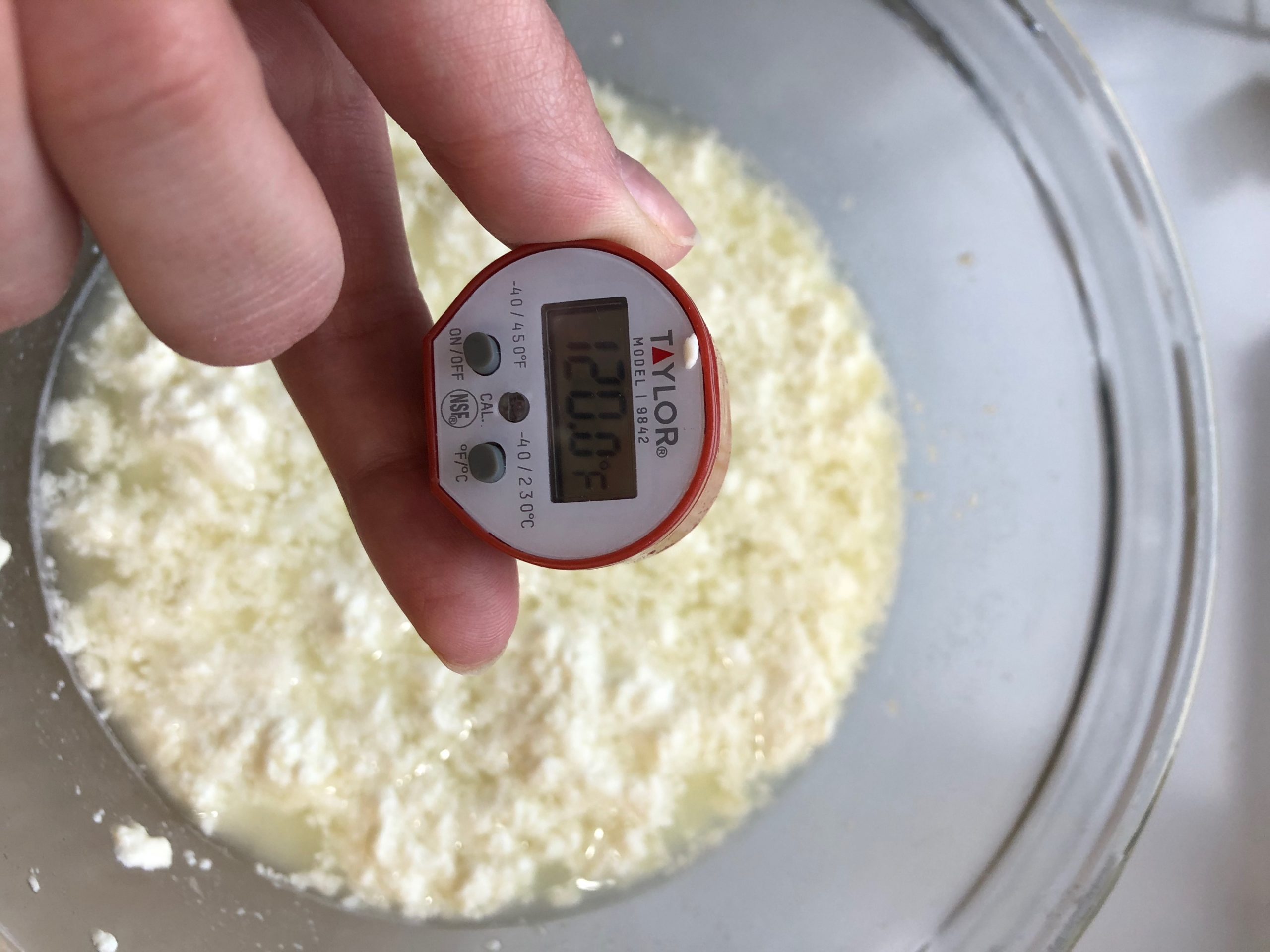

The left picture shows the curds at 120.0 degrees Fahrenheit after the first 30 second microwave while the right picture shows them at 135.9 degrees Fahrenheit after several 10-20 second bursts in the microwave. However the temperature would go up a little then go back down so we had to microwave it A LOT.
SO- here is where I think things went wrong. I realized that by looking at these pictures we did not completely drain the curds from the whey as we should have, which is probably the reason why they did not bind together and stretch. oopsies.
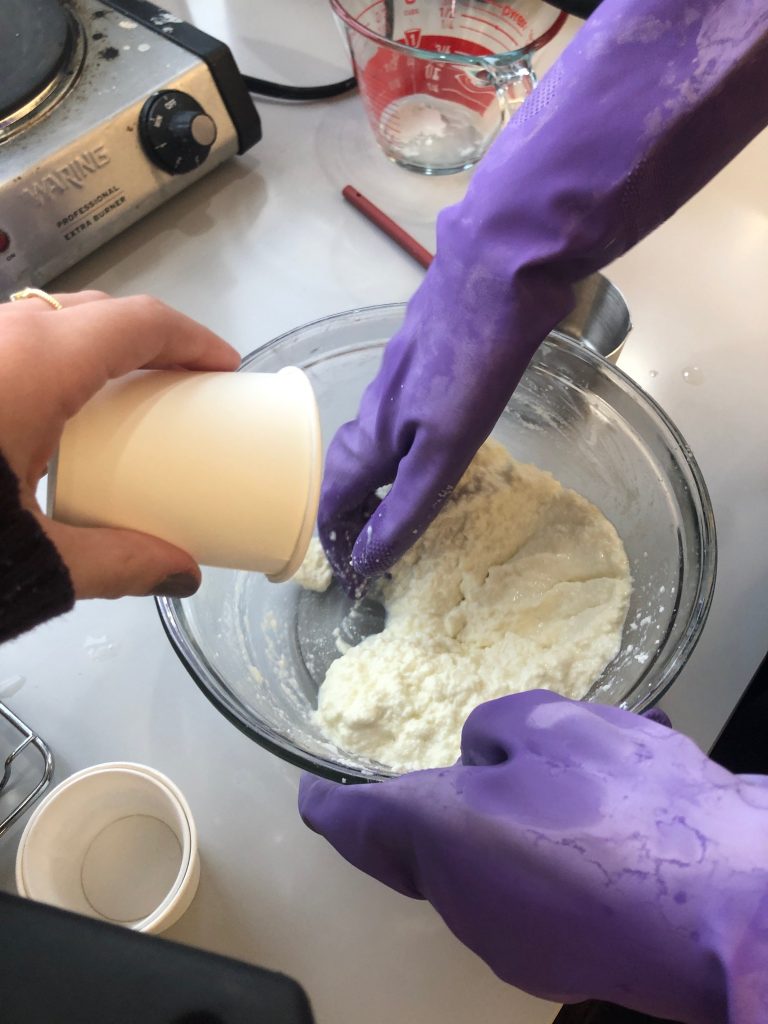
In the picture above, the curds do not appear to be super whey-y but I am still almost 100% sure that was the problem.
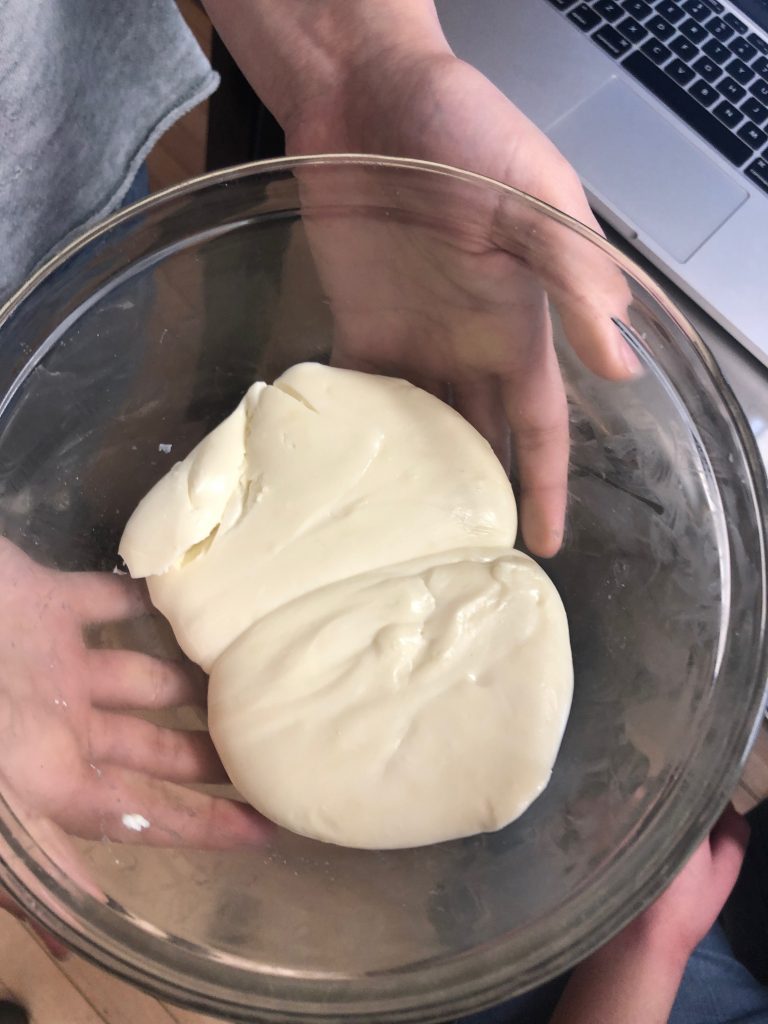
Some of the class used “raw” milk today – that is, milk that has not been pasteurized, but was obtained personally by Dr. C from a certified, FDA approved farm and refrigerated continuously (for 2 days) until lab today. What differences could we expect from cheesemaking with raw milk?
Apparently raw milk is easier to use for cheese making than pasteurized milk. Raw milk is not pasteurized, and therefor still has all of the bacteria straight from the cow, this makes the curds bigger, and the final product taste stronger and be thicker.
Sabrina and I were both recovering from being sick so we thought it best not to eat the raw cheese.
Anyways, this gave me a new, albeit negative look on cheese considering I did not know how gross the process was :/