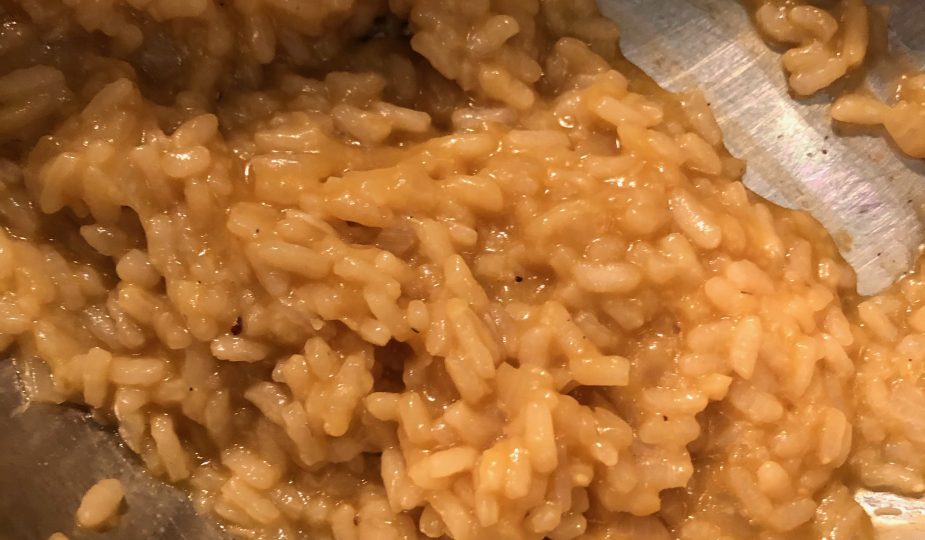
This week is the first lab we have to make at home. Honestly, since I have not been leaving the house, this made for a fun activity and I really enjoyed making this.
To the recipe—–>
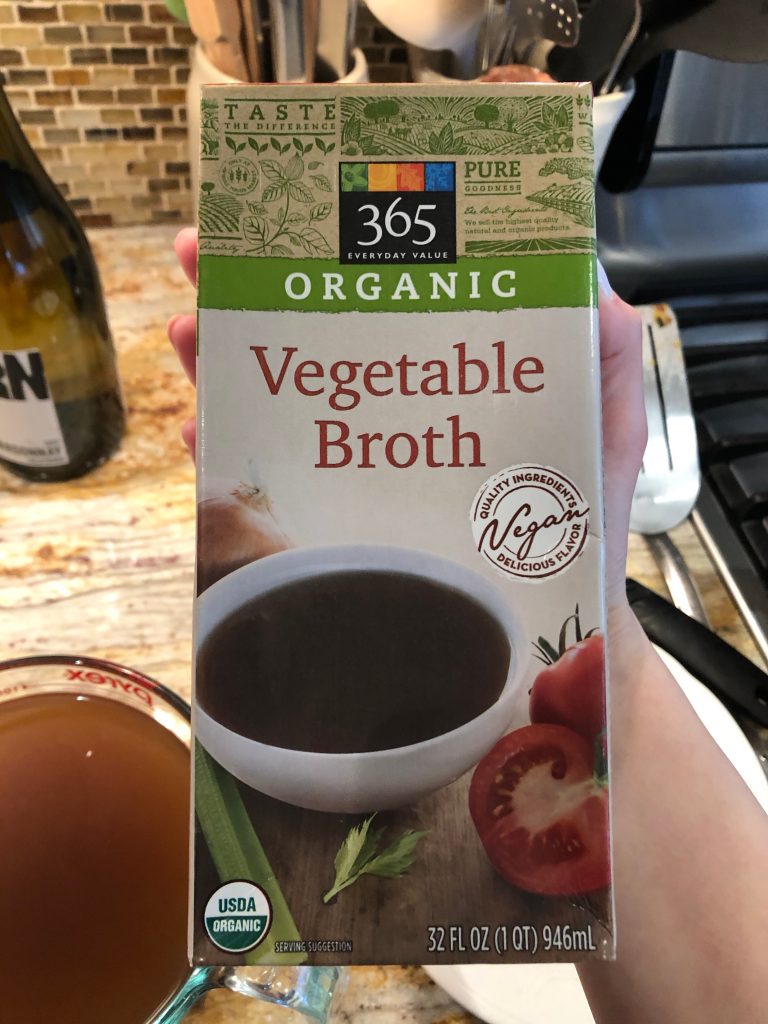
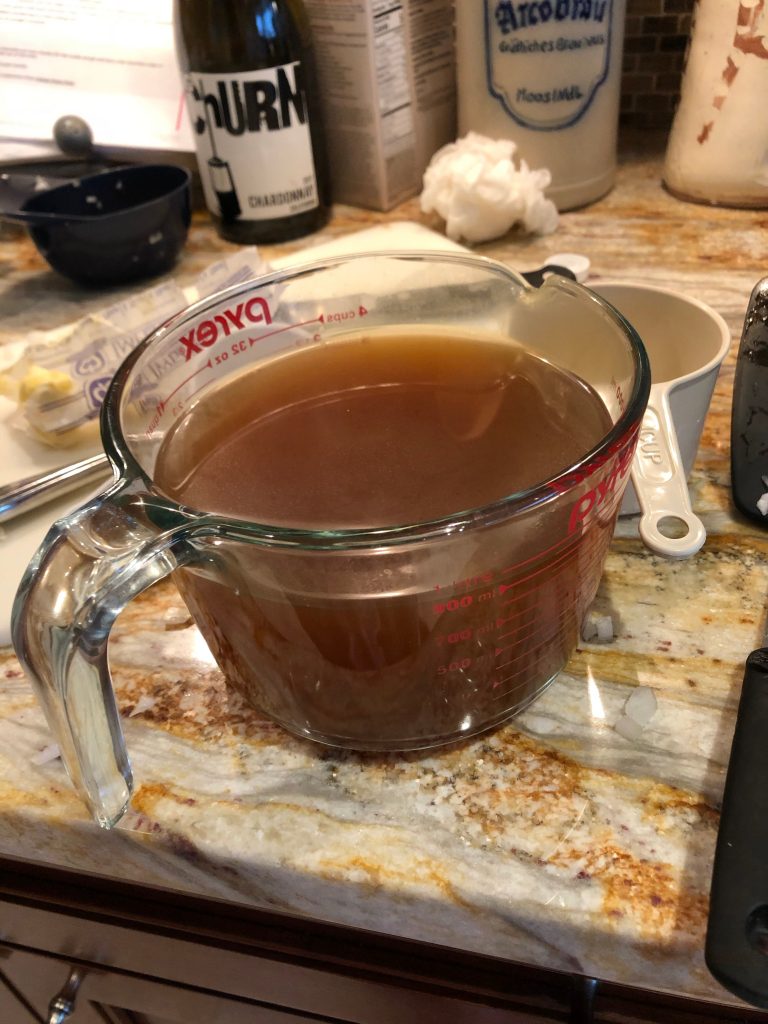
I heated the broth up in the microwave while I was sauteeing the onions, so I had to keep reheating it till I was ready to add it in.
Honestly, I had forgotten the easy way to chop an onion so it was super stressful for about five minutes but by the time I got it in the pan all was good.
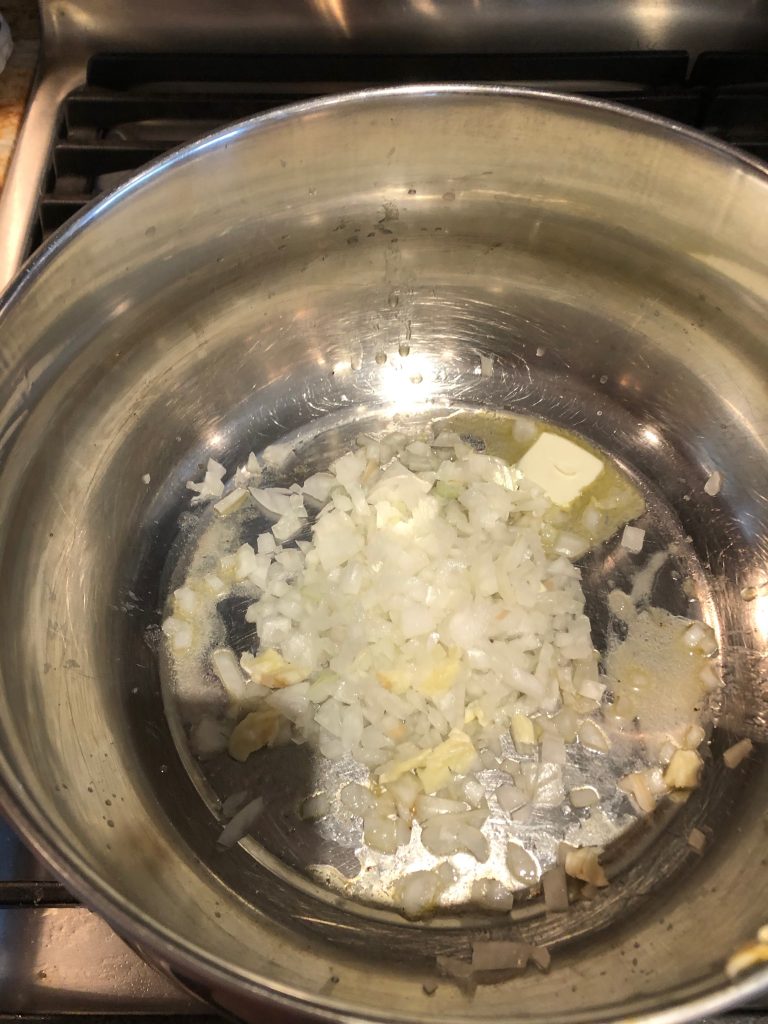
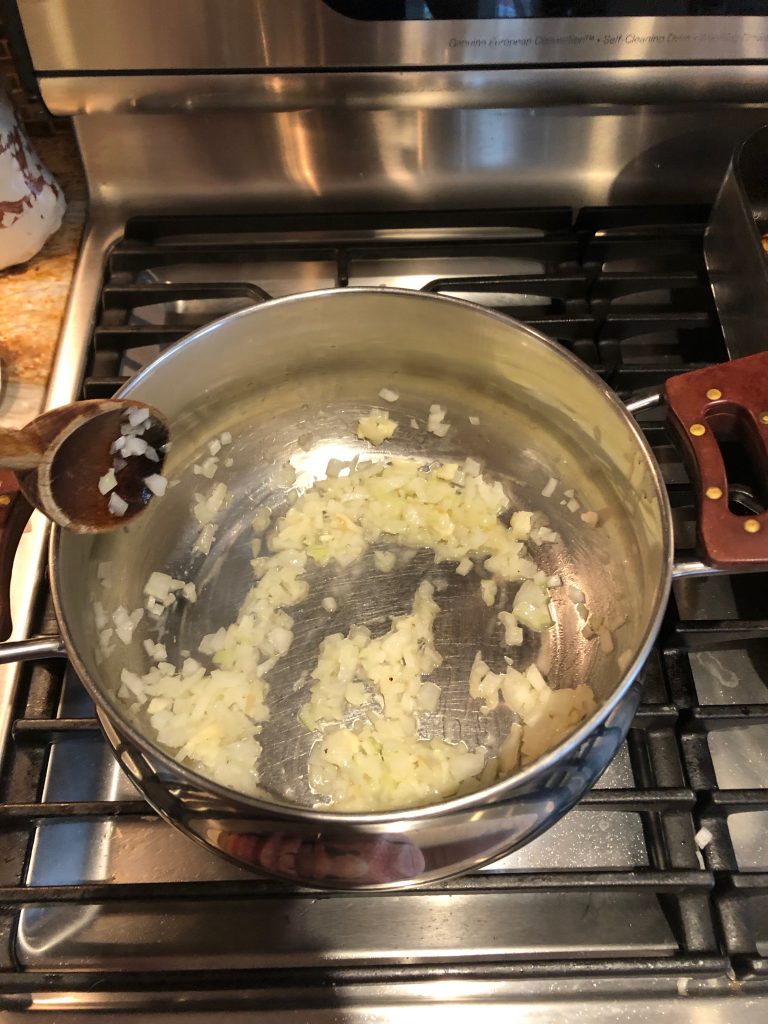
I got a big pan and put the butter, onions, and garlic together- it smelled reaaaallyyyy good.
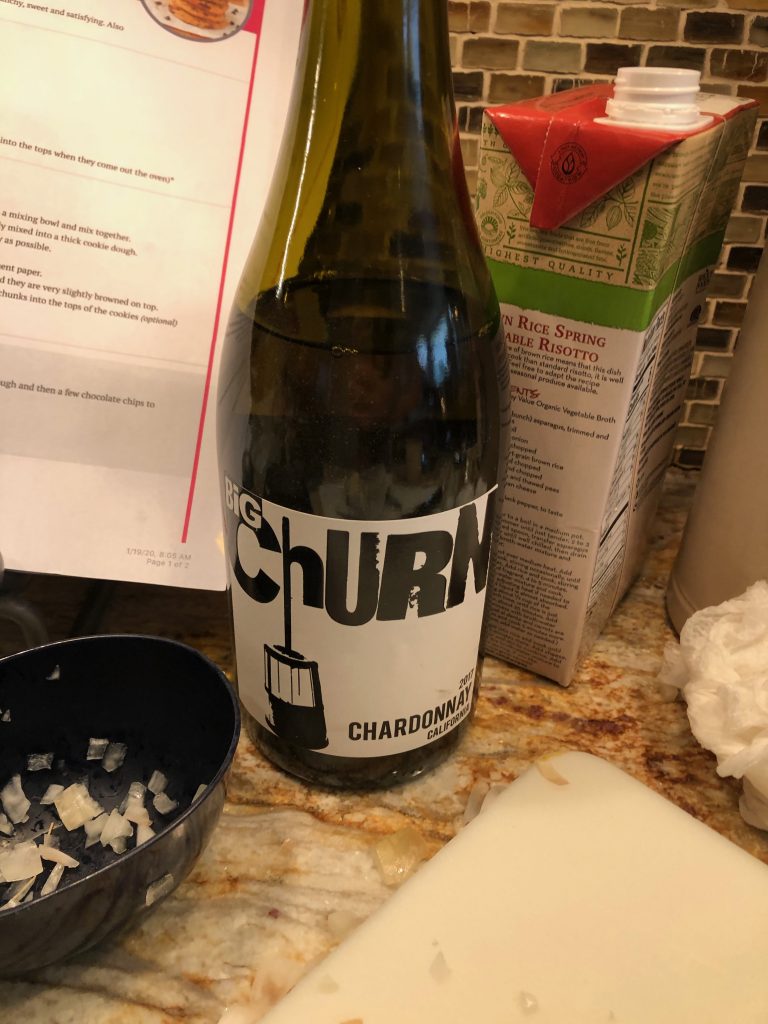
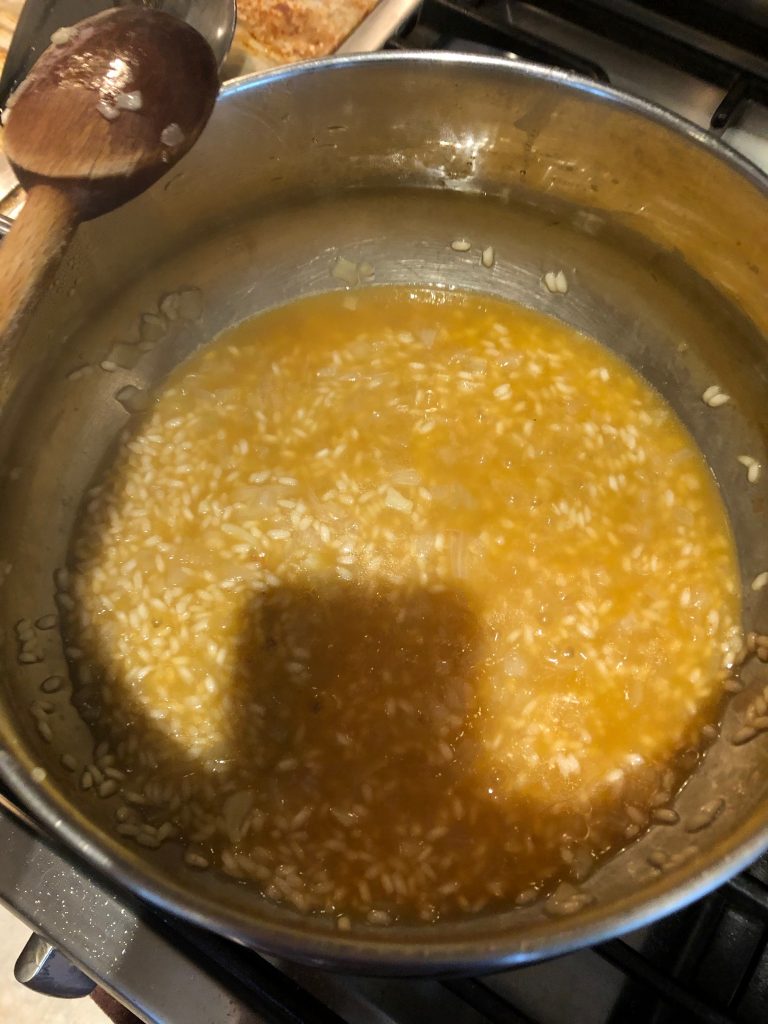
This is when I started to add the hot vegetable broth a little at a time until it was almost fully absorbed.
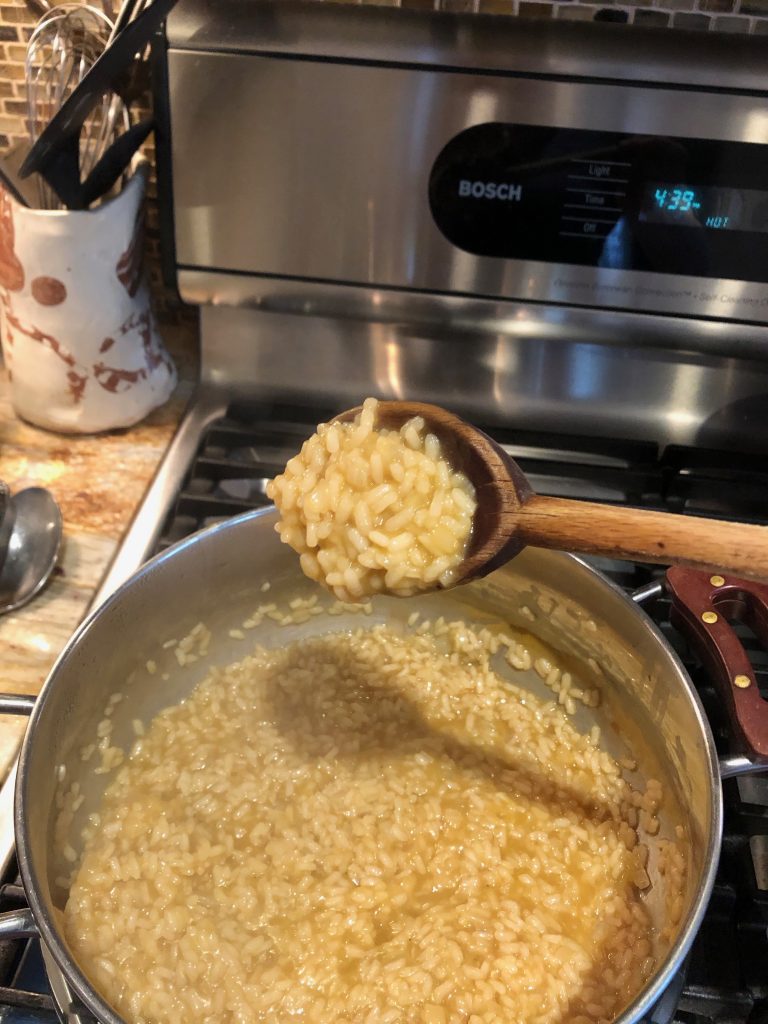
When the stock (which is mostly water) gets absorbed, where is it going? What is chemically happening?
Starch gelation is happening! Besides the evaporation that happens to some of the water, the stock also gets absorbed. When the stock gets absorbed, the water in the stock hydrogen bonds to the starch.
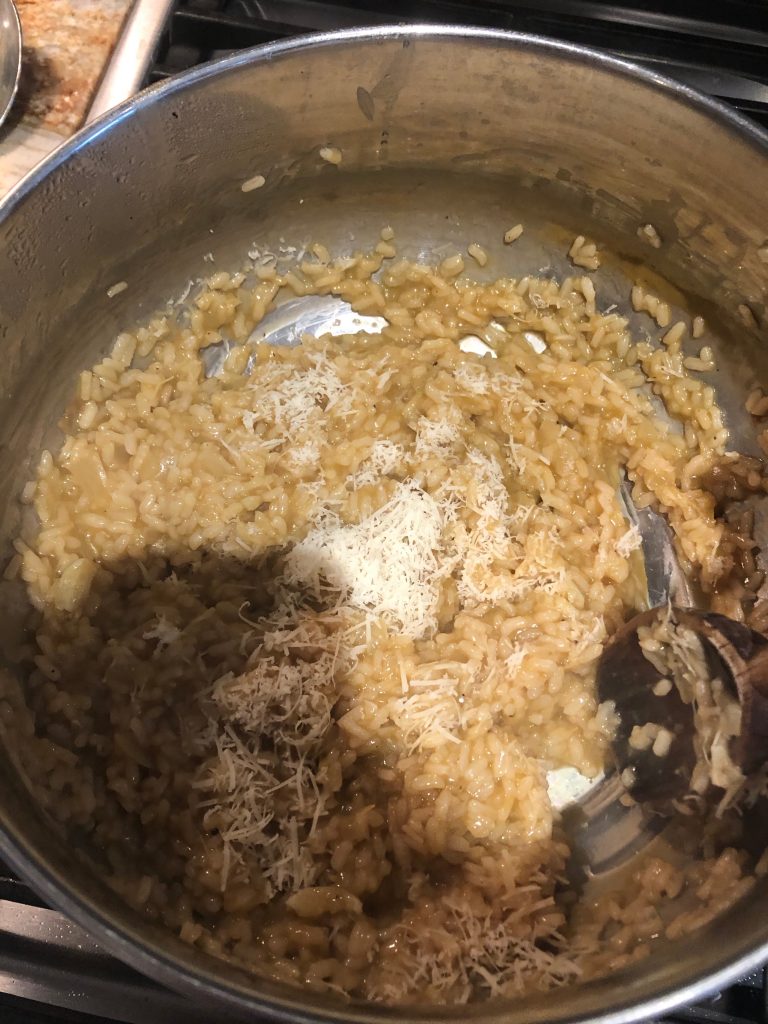
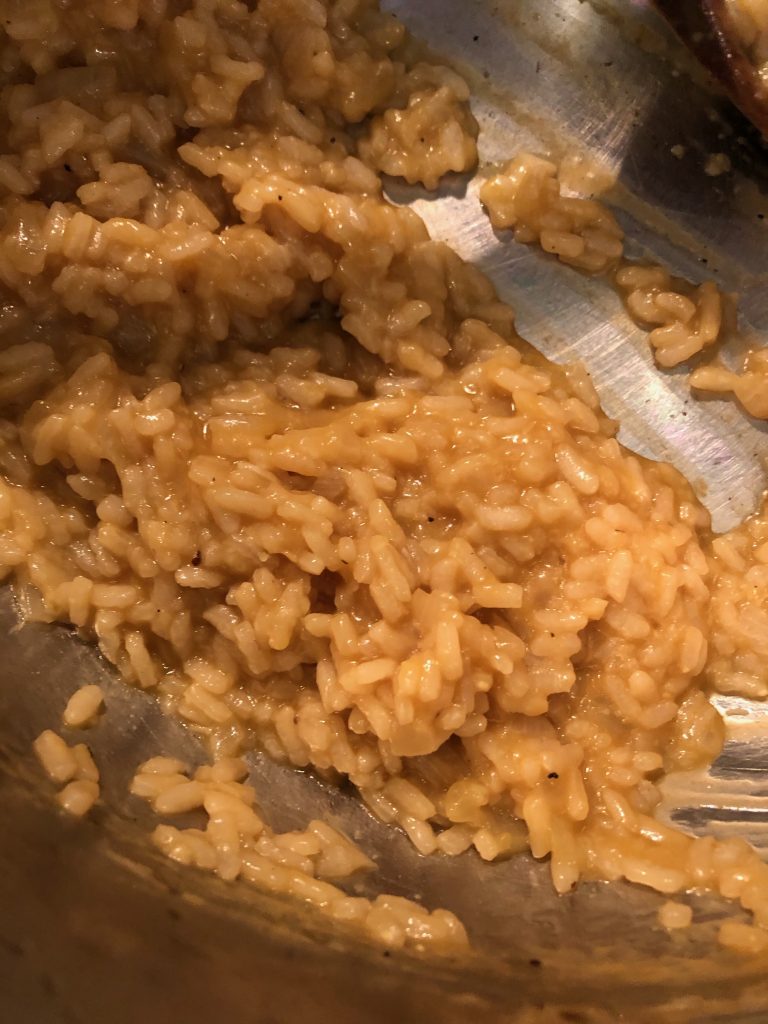
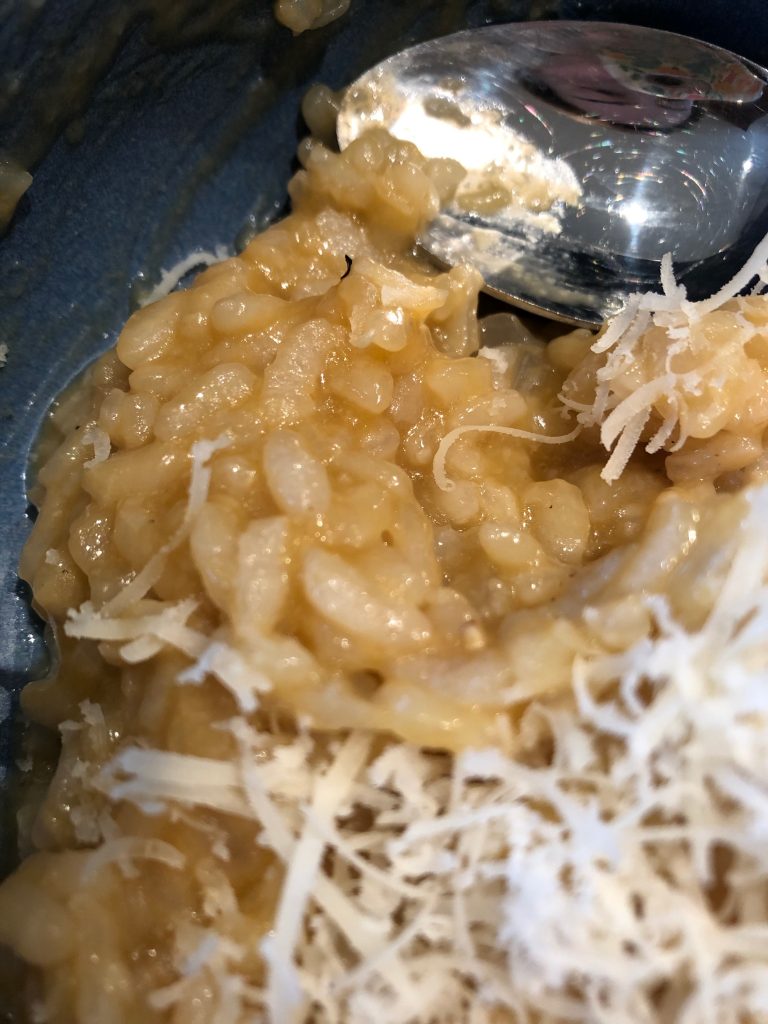
When the rice gets “creamy and thick” you can see a thick opaque liquid surrounding the rice. What is that thick liquid made of?
The thickness and creaminess of risotto are also due to starch gelation. The hydrogen bonds the starch molecules make with water also create a net of sorts. It basically traps granules of starch which makes it thick and more viscous.
Why is a high amylose, long-grain rice poorly suited to making a creamy risotto? Please explain the chemical differences between amylose and amylopectin in your answer.
Amylose has 1,000 glucose monomers while Amylopectin has 5,000 to 20,000 glucose monomers. The more glucose monomers mean greater opportunity to trap water with starch through hydrogen bonding, which is what makes risotto thick and creamy.
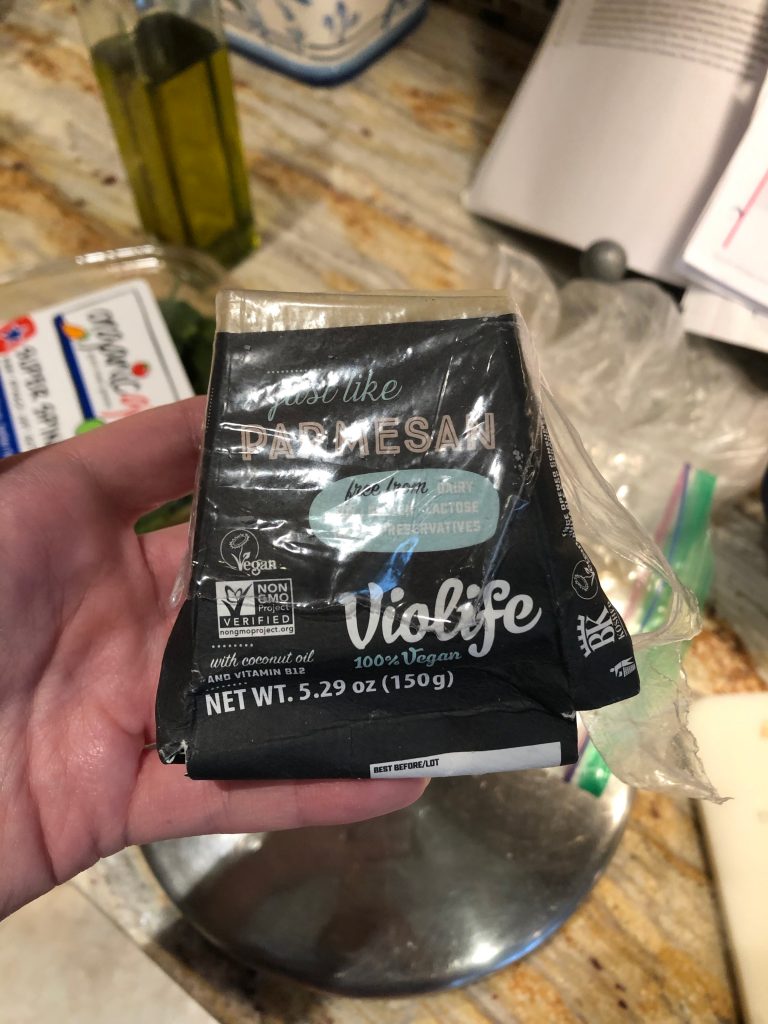
My parents LOVED this dish. It made them very happy since it was easily made vegan and you could not even tell! I will definitely make this again.


